Cosmetic Dentistry for Busy Professionals: Fast Smile Solutions


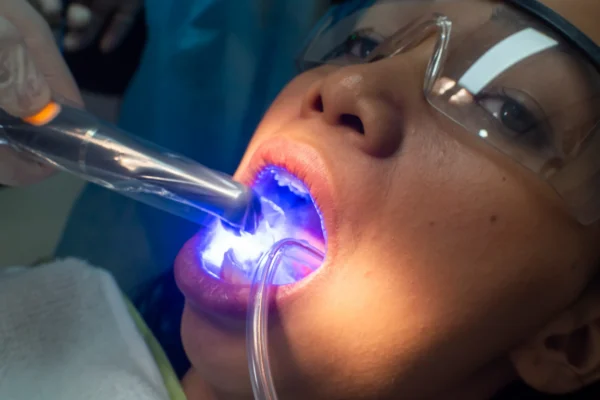
A polished smile carries unusual weight in professional life. It shows up in client pitches, boardroom introductions, video calls, networking dinners, recruiting interviews, and the split-second first impressions that often feel unfairly decisive. For busy professionals, the challenge is rarely motivation. It is time. People want results that look natural, fit packed calendars, and do not require weeks of disruption.
That demand has changed the way cosmetic dentistry is planned and delivered. The best modern treatments are not simply about making teeth whiter or straighter. They are about efficiency, predictability, and smart sequencing. A dentist who treats executives, physicians, attorneys, consultants, sales leaders, and founders quickly learns that the real question is not, “What can improve this smile?” The real question is, “What can improve this smile well, with minimal interruption to work and social life?”
That distinction matters. Fast does not mean rushed. It means choosing the right treatment for the right problem, avoiding unnecessary steps, and understanding which imperfections are worth correcting immediately and which ones can wait.
What busy professionals usually want, even if they phrase it differently
Most working adults do not ask for a “Hollywood smile.” They ask for something more specific, even when they use vague language. They say they want to look less tired on Zoom. They want to stop hiding one side of their mouth in photos. They want teeth that look clean, even, and healthy under office lighting, restaurant lighting, and phone cameras. They want confidence without obvious dental work.
In practice, the most common concerns tend to cluster around five issues: discoloration, minor crowding, worn edges, chips, and uneven tooth shape. Sometimes there is also old dental work that no longer blends well, such as a single dark crown on a front tooth or composite bonding that has stained over time. These are often highly visible flaws, but they are not always major structural problems. That is why cosmetic dentistry can be so effective for professionals on tight schedules. Many smile concerns are amenable to focused treatment rather than long, complex reconstruction.
There is another pattern worth noting. Busy patients often delay care because they assume any cosmetic improvement will require multiple long appointments, temporary restorations, recovery time, or a large commitment to orthodontics. Sometimes that is true. Just as often, it is not.
The fastest cosmetic wins are usually the least invasive
When someone wants a noticeable improvement quickly, the first conversation should center on conservative options. Dentists sometimes call these high-value treatments because they can deliver a visible change without heavy preparation, anesthesia, or extensive downtime.
Teeth whitening remains the obvious example, but it is not the whole story. Professional whitening can brighten a smile within days or a couple of weeks, depending on whether it is done in office, at home with custom trays, or through a combined approach. For a professional preparing for a conference, media appearance, wedding, or promotion cycle, whitening is often the fastest way to look more polished. It is especially effective when the teeth are healthy, alignment is generally good, and the main issue is staining from coffee, tea, red wine, or age-related darkening.
Still, whitening has limits. It does not straighten teeth. It does not repair chips. It does not change the color of crowns, veneers, or fillings. This is where experience matters. A patient who whitens first Cosmetic Dentistry and replaces visible restorations afterward can end up with a much more harmonious result than someone who does those steps in the wrong order.
Tooth bonding is another strong option for speed. A skilled dentist can often reshape a small chip, close a minor gap, soften an uneven edge, or make a narrow tooth appear fuller in a single visit. Bonding uses composite resin, the same general material used for tooth-colored fillings, but in cosmetic work it is shaped and polished with much greater artistic attention. When done well, it can be subtle enough that even close colleagues cannot tell anything was done. For the right case, it is one of the best same-day smile improvements in cosmetic dentistry.
Contouring, sometimes called enamel reshaping, can also help when the issue is slight unevenness or rough edges rather than deeper structural damage. It is not dramatic, but it can create a cleaner, more balanced smile in less than an hour.
Whitening works quickly, but it requires good expectations
Whitening deserves its own discussion because it is both popular and misunderstood. Professionals often want the brightest possible result in the shortest possible time, usually before an important event. That urgency is understandable, but overshooting can backfire. Teeth that are too white can look artificial, especially under daylight or on high-resolution video. The more sophisticated goal is not maximum brightness. It is a healthy, believable shade that fits the person’s age, complexion, and overall appearance.
In-office whitening can produce a rapid change, often in a single appointment. Custom take-home trays, by contrast, usually take longer but may offer more control and less immediate sensitivity for some patients. Many dentists prefer a blended strategy: an initial in-office jump-start, then tray refinement over the next week or two. That works particularly well for professionals who have an upcoming deadline but still want the option to fine-tune.
Sensitivity is the main trade-off. Some patients breeze through whitening. Others experience zingers, short bursts of sharp sensitivity, especially with cold air or cold drinks. In most cases it is temporary, but it should be discussed honestly. Someone with exposed roots, enamel wear, or untreated decay may not be a good candidate for aggressive bleaching right away.
Bonding is the quiet hero for time-starved schedules
If whitening is the fastest broad improvement, bonding is often the smartest targeted fix. A small front tooth chip that catches light every time you speak can make a person feel self-conscious for years. A gap between the front teeth can draw the eye in every headshot. Bonding can often address those concerns in one appointment without sending the patient through months of treatment.
The reason bonding works so well for professionals is that it respects constraints. It usually requires little to no drilling. It can be repaired or adjusted relatively easily. It costs less than veneers in many cases. And if the dentist is conservative, it preserves future options. For a patient who wants improvement now but may consider veneers later, bonding can serve as an excellent bridge.
The trade-off is longevity and stain resistance. Composite resin is durable, but it is not porcelain. Heavy coffee drinkers, red wine enthusiasts, and patients who clench or bite pens can wear or stain bonding faster. It may need touch-ups over time. That does not make it a poor choice. It simply means it should be chosen with a clear understanding of maintenance.
I have seen bonding make a remarkable Cosmetic Dentistry difference for professionals who are constantly on camera. One attorney came in convinced she needed veneers before a trial-heavy season because one front tooth looked shorter and slightly darker in every recorded deposition. Her actual issue was a worn edge and uneven surface texture, not a fundamentally damaged tooth. Whitening plus selective bonding solved it in two visits. The final result was understated, which was exactly why it worked.
Veneers can be fast, but only when the case is planned well
Veneers have an outsized reputation. Some people think they are a one-size-fits-all answer for any smile concern. Others fear they always look bulky or overly white. Neither view is accurate.
Porcelain veneers can be an efficient option for professionals who need a substantial esthetic upgrade and want a controlled result. They are especially useful when the issues include shape, color, symmetry, moderate wear, and some minor misalignment that would otherwise require several different treatments. Depending on the practice and lab workflow, veneers may be completed in as little as two or three visits. In that sense, they can be “fast.”
But veneers are not instant in the casual sense. The good ones require planning, photographs, shade selection, bite analysis, and often provisional design. There is also an ethical dimension. Not every tooth should be prepared for a veneer if a more conservative option would do the job. For a 32-year-old consultant with healthy enamel and one small lateral incisor gap, full veneers on eight upper front teeth may be excessive. For a 48-year-old executive with worn, darkened, uneven front teeth and several mismatched old restorations, veneers may be the most efficient route to a stable, cohesive result.
The speed question with veneers is best answered this way: they can compress multiple esthetic goals into a short calendar window, but they should not be chosen simply because the patient is impatient.
Clear aligners are not instant, but they are often worth the wait
Professionals often ask whether they can straighten teeth quickly, ideally in a few weeks. Minor tooth movement sometimes happens surprisingly fast, but real orthodontic change still follows biology. Bone and ligament remodeling take time. Promises of ultra-fast alignment should be viewed with caution.
That said, clear aligners fit busy lives better than traditional braces for many adults. Appointments are shorter, appearance is discreet, and there are fewer dietary disruptions. For someone with mild crowding or spacing, treatment might last a few months rather than a year or more. That may not satisfy a person looking for an immediate event-driven fix, but it can be a strong medium-term move with excellent esthetic payoff.
Clear aligners become especially valuable when cosmetic problems are really alignment problems in disguise. If a patient wants bonding to hide crowding, but the teeth are overlapping in a way that will compromise cleaning or bite, aligners may be the better answer. Fast cosmetic work that ignores function can create headaches later.
Some dentists use a staged approach for professionals: first, aligners for foundational improvement, then whitening and small finishing touches such as bonding. It is not the fastest route to a visual change, but it often produces the most natural long-term result.
Same-day dentistry has changed the timeline for certain treatments
Digital scanning, chairside design, and in-office milling have shortened treatment timelines in real and practical ways. In selected cases, a patient can receive a ceramic crown, inlay, onlay, or even certain veneer-type restorations without the old sequence of impression, temporary, second appointment, and laboratory turnaround. For professionals who cannot spare multiple half-days, that is a major advantage.
Same-day capability does not automatically mean better quality. The technology is only as good as the diagnosis, design judgment, materials, and finishing. But when it is used appropriately, it can remove a great deal of logistical friction. This is particularly useful when a visible tooth has an old filling that is failing or a cracked cusp that affects both appearance and comfort.
Busy patients appreciate efficiency, but they also appreciate not having to wear a temporary restoration for two weeks while preparing for public-facing work. In the right office, digital workflows can make cosmetic dentistry feel much more compatible with a demanding schedule.
The best fast smile plans are sequenced, not improvised
A rushed treatment plan often creates avoidable problems. A strategic one saves time. The order of operations matters more than most patients realize.
Here is a common example. A professional comes in bothered by stained, slightly uneven front teeth and an old crown that looks opaque under office lighting. If the crown is replaced before whitening, the dentist must guess where the surrounding teeth will end up after bleaching. If whitening is done first and allowed to stabilize, the replacement crown can be matched more precisely. That single sequencing decision often separates a result that looks integrated from one that looks pieced together.
Another example involves orthodontics. If a patient is considering aligners but also wants bonding on edge wear, placing composite too early can be inefficient because tooth positions may change. It often makes more sense to align first, then bond selectively at the end.
The most time-efficient practices usually follow a simple decision path:
- Make sure the teeth and gums are healthy enough for cosmetic work.
- Resolve color issues before final shade-matched restorations.
- Correct position when alignment is the main cause of the cosmetic concern.
- Use bonding or porcelain to refine shape, symmetry, and surface detail.
- Provide retention and maintenance so the result lasts.
That sequence is not rigid, but it reflects how experienced clinicians avoid redoing work.
Gum appearance matters more than many professionals expect
A smile is not just teeth. Uneven gum levels, excess gum display, or inflamed tissue can undermine otherwise good cosmetic work. Busy professionals sometimes focus on enamel color while ignoring the frame around the teeth. Dentists do not have that luxury.
If gums are puffy because of inconsistent cleanings or rushed home care, whitening and bonding will not look as good as they should. If one front tooth appears shorter because the gum line is uneven, adding material to the edge may not solve the visual imbalance. In some cases, minor gum recontouring can create a more symmetrical smile with a surprisingly small time investment.
This is an area where careful judgment matters. Not every “gummy smile” needs treatment. Not every asymmetry is worth correcting. But when the gum architecture is the reason the smile looks off, the fastest route to improvement may have little to do with the teeth themselves.
How to choose the right treatment when your calendar is already full
Professionals tend to make decisions the way they make other business decisions. They want clarity, efficiency, and confidence that the plan fits the objective. The easiest way to get there is to define the real goal before discussing procedures.
Sometimes the goal is immediate and situational, such as a keynote speech, investor roadshow, courtroom schedule, or wedding season. In those cases, whitening, contouring, and bonding often rise to the top because they deliver visible gains with limited disruption.
Sometimes the goal is broader and more durable, such as rebuilding a worn smile after years of clenching, coffee, and postponed care. Then the treatment may need to be phased more thoughtfully, even if some early cosmetic improvements are made along the way.
A useful consultation usually covers these points without unnecessary jargon:
- what bothers you most when you see your smile in photos or on video
- what needs to look better quickly, versus what can improve over several months
- whether you are seeking conservative enhancement or a more comprehensive redesign
- how much maintenance you are realistically willing to do
- how your bite, grinding habits, and previous dental work affect the plan
When those questions are answered honestly, cosmetic dentistry becomes more precise and less overwhelming.
Time, downtime, and the reality of recovery
Most cosmetic dental procedures involve less downtime than patients fear. Whitening can cause temporary sensitivity but rarely interferes with work. Bonding generally allows people to return to meetings the same day. Clear aligners may create pressure and slight speech awareness at first, but most professionals adapt quickly. Veneers and crowns can involve short periods of soreness or adjustment, especially if multiple teeth are treated, yet many patients continue working without issue.
The bigger issue is not physical recovery. It is scheduling friction. Repeated appointments, coordination with work travel, and occasional follow-up adjustments are what busy patients find hardest to manage. A dental team that respects that reality makes a huge difference. Efficient scheduling, digital communication, shade planning that avoids extra visits, and realistic timelines are not luxuries in a cosmetic practice. They are part of the service.
I have seen patients tolerate substantial treatment very well when the office ran on time and the plan was clearly explained. I have also seen minor treatment feel burdensome when it was disorganized. For professionals, trust is built as much by logistics as by hand skills.
What natural-looking cosmetic dentistry actually looks like
The best cosmetic work is often invisible as dental work. Colleagues may say you look rested, healthier, sharper, or more confident. They may not know why. That is usually the point.
Natural-looking results come from restraint. Teeth should fit the face, lips, age, and personality of the patient. Surface texture matters. Translucency matters. The width-to-length proportions of the front teeth matter. Tiny asymmetries can actually make a smile more believable. A dentist with esthetic judgment knows when to stop.
For busy professionals, subtlety is usually more valuable than drama. Very few people in a conservative workplace want a smile makeover that becomes a topic of office conversation. They want to look like themselves on a very good day.
Maintenance is what protects the investment
Fast cosmetic dentistry only feels efficient if the result holds up. That means maintenance has to be practical. There is no point in delivering beautiful bonding to a patient who clenches at night without discussing a night guard. There is no point in brightening teeth substantially if the patient is not warned that heavy coffee intake will gradually pull the shade back.
Most maintenance is straightforward. Regular cleanings, a sensible home routine, occasional whitening refreshers, and bite protection when indicated go a long way. What matters is matching the maintenance plan to the patient’s habits. A road warrior who lives on espresso and airport snacks needs different guidance from someone who works from home and has excellent oral hygiene.
Cosmetic dentistry fails less often because of dramatic technical breakdown than because of small, repeated neglect. Busy people respond well when that is framed realistically. You do not need perfection. You need consistency.
A smart smile plan should respect both ambition and restraint
The strongest cosmetic outcomes for professionals come from balancing urgency with judgment. If you need a visible improvement before an important deadline, there are excellent fast options. Whitening, bonding, contouring, selective same-day restorations, and carefully planned porcelain work can all deliver meaningful changes without turning your calendar upside down.
But speed should never replace diagnosis. A rushed veneer case on teeth that really need alignment, or whitening on unstable dental work, or bonding placed onto a destructive bite pattern will waste time rather than save it. The right plan solves the actual problem, not just the visible symptom.
That is why the best cosmetic dentistry often feels surprisingly calm. The treatment may be fast, but the thinking behind it is measured. For busy professionals, that combination matters most. You do not need endless appointments or a dramatic overhaul to improve your smile. You need a clear diagnosis, a realistic timeline, and a clinician who knows how to create results that look polished, credible, and entirely your own.
Toothworks of Bakersfield, Dentist and Orthodontist
1030 H St #1, Bakersfield, CA 93304, United States
+1 661-323-9421
FAQ About Cosmetic Dentistry
Is bonding better than veneers?
Neither option is best for everyone. Composite bonding can address small chips, gaps, or shape concerns and is generally easier to repair. Porcelain veneers may offer greater resistance to staining and wear, but often require removal of some enamel. A dentist should assess your oral health, bite, goals, and budget before recommending treatment.
How long will dental bonding last?
Bonding commonly lasts about three to ten years before it needs repair or replacement, though this varies with the location and amount of bonding, your bite, and daily habits. Regular dental visits, good oral hygiene, and avoiding chewing hard objects can help protect it. Ask your dentist what lifespan is realistic for your particular treatment.
What are the risks of teeth whitening?
Whitening can cause temporary tooth sensitivity and gum irritation. Overuse or incorrect use may damage teeth or gums, and whitening does not change the color of existing crowns, veneers, or fillings. Have a dentist assess your teeth and gums, and follow the recommended product directions and treatment schedule.
Corrections
Spot something wrong? Send it to the desk and it gets fixed in the open.