Cosmetic Dentistry and Smile Goals: Creating the Right Plan
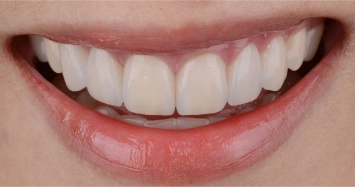
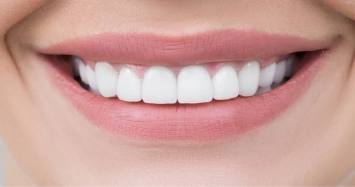

A better smile is rarely about teeth alone. People often come in asking for veneers, whitening, or a complete makeover, but what they are really asking for is confidence Cosmetic Dentistry that feels believable on their face. Some want to look younger. Some want to stop hiding in photos. Others are preparing for a wedding, a job change, or a return to dating after years of avoiding attention. Cosmetic Dentistry sits at that crossroads where appearance, oral health, function, and emotion all meet.
That is why the right plan matters more than the most popular procedure. A beautiful result can still feel wrong if it does not fit the patient’s features, habits, timeline, or budget. I have seen subtle changes transform a smile more effectively than aggressive treatment, and I have seen expensive work disappoint because no one paused to define the real goal at the start.
The strongest cosmetic plans begin with clarity. What bothers the patient most? What kind of result are they hoping for? How much maintenance are they truly willing to take on? Can the teeth and gums support the change long term? Those questions shape everything that follows.
A smile goal should be specific, not vague
“I want a nicer smile” is a common starting point, but it is too broad to build a treatment plan around. A skilled cosmetic consultation turns that vague wish into something measurable and realistic.
Sometimes the concern is color. Teeth may be generally healthy but stained from coffee, red wine, smoking, or simply age. In other cases, the issue is shape. Small lateral incisors, uneven edges, chipped front teeth, or old bonding can draw the eye even when the patient cannot quite explain what feels off. Spacing and alignment are another frequent source of frustration. A person may describe their teeth as “crooked” when the deeper problem is actually one rotated tooth, a narrow arch, or gum asymmetry that makes the smile look unbalanced.
The emotional side matters too. One patient may want a smile that looks polished on camera. Another may say, very clearly, “I do not want anyone to know I had dental work done.” Those are different goals, and they lead to different choices. Cosmetic Dentistry works best when the endpoint is defined in human terms, not just clinical ones.
A practical consultation often explores a few questions:
- What do you notice first when you look at your smile?
- What do you want to keep, even if we improve other things?
- Do you prefer a natural, character-rich look or a brighter, more uniform look?
- Is your priority speed, longevity, lower cost, or the most conservative treatment?
- Are you open to orthodontics if it reduces the need for drilling?
These questions may seem simple, but they prevent a great deal of regret. The patient who says they hate the “big front teeth” may not need smaller teeth at all. They may need gum contouring, a slight shape adjustment, or alignment that changes visual proportions. When the real concern is identified early, treatment becomes more precise and often less invasive.
The face sets the rules, not a trend
One of the most common mistakes in cosmetic planning is treating the smile as a separate object rather than part of the whole face. Teeth that look impressive on a screen can appear artificial in person if they do not match lip mobility, facial symmetry, skin tone, age, and speech patterns.
A naturally attractive smile usually respects proportion. The two central incisors tend to anchor the composition. Their width, length, and edge position influence how youthful or mature the smile appears. The lateral incisors and canines frame that central focus. Tiny changes in edge shape can make the result look softer, stronger, younger, or more refined. This is detailed work. Half a millimeter matters.
Lip position is equally important. Some people show a lot of upper teeth at rest and when smiling. Others barely reveal them unless they laugh. A patient with a high smile line, where a large amount of gum shows, may need a very different plan than someone whose upper lip covers most of the tooth structure. The same veneer design will not work equally well for both.
Age also deserves respect. Not every patient wants the same look at 28 and 58. Younger smiles often show slightly more incisal edge and greater translucency. Mature patients may want brightness, but not a blinding white that clashes with facial character. There is an art to making work look refreshed rather than obvious.
That is where good cosmetic dentists rely on photography, mock-ups, and diagnostic planning rather than impulse decisions. A smile should be designed in context, not chosen from a menu.
Healthy foundations come first
Cosmetic treatment cannot compensate for untreated disease. That point sounds obvious, yet many people understandably focus on appearance because it is what they see. A dentist has to look deeper.
Gum inflammation, active decay, cracked fillings, tooth grinding, bite instability, and recession can all compromise cosmetic work. Whitening irritated teeth, placing veneers on unstable enamel, or bonding over a bite problem may produce a short-lived result and a very unhappy patient a year later.
Gums deserve special attention. The most expensive ceramic work in the world will not look attractive if the tissue is inflamed, uneven, or receding. Before discussing smile design, clinicians often need to address hygiene habits, periodontal treatment, or contour discrepancies. In some cases, improving the gums changes the smile enough that the original treatment plan can be simplified.
Grinding and clenching are another major issue. Patients who fracture natural teeth or wear down enamel often do the same to cosmetic restorations. That does not mean they cannot have aesthetic treatment, but the plan needs to account for risk. Material choice, bite design, and nighttime protection become central, not optional.
This is one reason experienced dentists sometimes appear conservative at first. They are not dismissing the patient’s goals. They are protecting the result.
Whitening, bonding, aligners, veneers, crowns, and contouring, choosing what actually fits
Many smile improvements can be achieved in more than one way. That is good news for patients, but it also means treatment selection requires judgment.
Whitening is often the most conservative place to start when color is the main complaint. It can brighten natural teeth significantly, though Cosmetic Dentistry the exact result varies with tooth structure, age, existing restorations, and habits. It is also worth remembering that whitening does not change fillings, bonding, crowns, or veneers. If the front teeth already contain older restorations, a brighter natural tooth may make those restorations stand out more, not less.
Bonding is one of the most useful tools in Cosmetic Dentistry when used thoughtfully. Composite can close small spaces, repair chips, reshape worn edges, and improve proportions in a single visit or over a short series of visits. It is usually less invasive and less expensive than porcelain. It is also more prone to staining and chipping over time, especially in patients with strong bite forces or habits like nail biting and chewing ice. In the right case, bonding is elegant and efficient. In the wrong case, it becomes frequent maintenance.
Clear aligner treatment has changed cosmetic planning in an important way. Teeth that once might have been aggressively reshaped for veneers can often be moved into a better position first. Even a few months of alignment can reduce how much drilling is needed later, or eliminate the need for restorative work altogether. Patients sometimes resist orthodontics because they want faster results, but a short aligner phase can be the difference between a conservative plan and a destructive one.
Porcelain veneers are often misunderstood. They are not simply “fake nails for teeth,” and they are not all the same. Done well, veneers can deliver beautiful control over shape, color, and symmetry while preserving much of the underlying tooth. Done poorly, they can look bulky, monochromatic, and overprepared. Veneers are best for patients whose goals cannot be met predictably with whitening, orthodontics, or bonding alone. They are particularly useful when several front teeth need coordinated changes in color and form.
Crowns belong in the conversation too, but for different reasons. A crown covers more of the tooth and is typically chosen when there is significant existing damage, a large old filling, root canal treatment, or structural weakness. Crowns can be aesthetic, but they should not be presented as interchangeable with veneers. A tooth should receive the least invasive restoration that can meet functional and cosmetic needs reliably.
Minor enamel contouring and gum reshaping can also make an outsized difference. Smoothing one uneven edge, rebalancing a slightly longer canine, or refining the gumline around one central incisor may sound small, but the eye is sensitive to asymmetry in the front of the mouth. Sometimes a subtle correction is all a patient needs.
The best plan usually moves from conservative to more involved
When several options could work, the wisest plan often starts with the least invasive step that reveals useful information. Whitening before deciding on veneers is a classic example. Once the natural teeth are brighter, the patient may feel satisfied without further treatment, or they may still want shape changes but on a smaller scale.
Similarly, orthodontic alignment before restorative work can clarify what still bothers the patient once the teeth are straighter. A smile that initially looked like a veneer case may become a bonding case, or no restorative case at all.
This sequencing matters for more than biological preservation. It also helps patients make better decisions. Cosmetic treatment can be emotionally charged. Many people come to the appointment after years of insecurity, and they are understandably tempted by the idea of a rapid transformation. A staged plan gives them room to see changes gradually and avoid overtreatment.
That does not mean slow is always better. There are situations where a patient has severe discoloration, extensive wear, multiple old restorations, and a fixed event date. In those cases, a comprehensive restorative approach may be the most sensible route. The key is that intensity should come from need, not marketing.
Budget, maintenance, and lifespan should be discussed plainly
One of the quickest ways to create dissatisfaction is to speak only about the procedure and not about the life that follows it. Every cosmetic treatment has a maintenance profile. Patients deserve to hear that clearly before they commit.
Whitening usually requires touch-ups, especially for coffee and tea drinkers. Bonding may need periodic polishing, repair, or replacement. Veneers and crowns can last many years, sometimes well over a decade, but they are not permanent in the sense patients often imagine. They can chip, debond, fracture, or reach a point where replacement makes sense because of wear, margin changes, or gum recession. Aligners may require retainers indefinitely if the patient wants the result to hold.
Cost discussions should also be direct and practical. The cheapest route up front is not always the least expensive over time, but the highest fee does not automatically buy the best plan either. Much depends on case selection, material choice, clinician skill, and how well the patient maintains the result.
A good cosmetic conversation includes trade-offs such as these:
- Lower-cost treatments may preserve more tooth structure but need more maintenance.
- Faster treatments can be appealing, but speed sometimes increases invasiveness.
- Porcelain often resists staining better than composite, but repair is not as simple.
- A dramatic result may photograph well, but a softer result may age better.
- Long-term stability depends as much on bite and habits as on materials.
Patients appreciate honesty here. Most people are perfectly capable of making thoughtful decisions when they understand the real exchange involved.
Temporary designs and mock-ups can prevent expensive mistakes
When a case is complex or the aesthetic change will be significant, previews are invaluable. Digital smile simulations can be helpful, but they have limits. A two-dimensional image does not fully capture speech, bite, texture, or the way a smile moves in real life. Physical mock-ups, provisional restorations, or test-drive bonding often provide better guidance.
I have seen mock-ups change the entire direction of a case. A patient who thought they wanted longer teeth may realize the added length feels too prominent when they speak. Another who requested ultra-white restorations may soften that preference after seeing how a bright value interacts with their complexion in daylight rather than on a phone screen.
This stage is not wasted time. It is where good cosmetic work separates itself from generic work. The goal is not only to make teeth look better, but to make the final result feel like the patient, just improved.
Smile design should include how a person talks and functions
A smile is dynamic. Teeth are seen during speech, laughter, eating, and at rest. If the design only looks good in a still photo, it is incomplete.
The edge position of upper front teeth affects certain speech sounds, especially “f” and “v.” Length and contour influence lip support and phonetics. The bite relationship influences comfort and wear. Patients do not always expect these factors to matter in cosmetic care, but they matter a great deal.
This becomes even more important in full-mouth or near full-mouth aesthetic cases. Restoring worn teeth to improve appearance may also mean rebuilding vertical dimension, rebalancing contact patterns, and protecting the jaw joints and muscles. Those are sophisticated decisions. A dentist working in this area needs both aesthetic sense and functional discipline.
Even in smaller cases, function cannot be ignored. If one front tooth chips repeatedly, a beautiful repair that leaves the underlying bite problem untouched is not a success. It is a temporary patch.
Not every smile needs to be perfectly uniform
There is a persistent myth that ideal cosmetic dentistry aims for identical, brilliantly white teeth in flawless alignment. For a small group of patients, that is exactly the look they want. For many others, it is not. A natural smile often includes tiny asymmetries, age-appropriate texture, and slight variation in translucency and contour.
The best aesthetic dentistry is often the kind most people never notice as dentistry. They notice the person looks healthy, rested, polished, or more confident. They do not immediately think, “Something was done to the teeth.”
That can mean preserving a little character. A slight canine prominence, a soft incisal edge variation, or a brightness level that harmonizes with the eyes and skin can make the result more convincing than a uniform wall of opaque white ceramic. Perfection is not always attractive. Harmony usually is.
Timing matters more than patients expect
People often begin cosmetic treatment around meaningful deadlines, weddings, reunions, graduations, professional milestones. That is understandable, but timing can influence the quality of decisions and results.
Whitening may cause temporary sensitivity and can require trial and adjustment. Orthodontic movement takes time, even in straightforward cases. Veneers and crowns often involve planning, preparation, temporaries, laboratory fabrication, try-in, and delivery. Gum tissue may need time to heal and settle before finalizing shape and margins. Bonding may be quick, but when paired with whitening or alignment, the total sequence stretches out.
Starting too late narrows choices. A patient who begins six weeks before an event may feel forced into a more aggressive shortcut because conservative options simply cannot be completed in time. If appearance for a major date matters, earlier planning creates better dentistry.
Choosing the right dentist is part of the treatment plan
Cosmetic results depend heavily on communication and taste, not just technical execution. For patients, this means selecting a provider carefully. Before agreeing to treatment, it is reasonable to ask how the dentist approaches conservative planning, what alternatives exist, whether before-and-after cases resemble the style the patient likes, and how they handle function, temporaries, and maintenance.
A dentist with strong cosmetic judgment usually listens closely, notices small details, and explains trade-offs without pushing the most expensive option by default. They are comfortable saying when a requested treatment is not the right fit. That kind of restraint is often a sign of maturity, not limitation.
Laboratory collaboration matters as well. In veneer and crown cases, the ceramist’s skill in layering color, translucency, texture, and surface anatomy can profoundly affect the final result. Excellent cosmetic dentistry is rarely a one-person performance. It is a coordinated effort.
The right plan feels both aspirational and grounded
The most satisfying smile transformations are not always the most dramatic. They are the ones where the patient sees the mirror, smiles without hesitation, and feels that the result matches what they hoped for, perhaps even more than they expected, because it still looks like them.
That outcome comes from planning, not from rushing into a procedure. It comes from understanding the difference between what is possible and what is wise. It comes from respecting tooth structure, gum health, facial balance, speech, maintenance, and budget at the same time. Cosmetic Dentistry is not just about making teeth prettier. It is about making choices that hold up in real life.
For some people, the right plan is whitening and a little contouring. For others, it is aligners followed by targeted bonding. For others still, it is a carefully designed porcelain case supported by bite management and long-term maintenance. There is no universal formula, and that is exactly the point.
A smile goal becomes achievable when it is translated into a thoughtful sequence, tailored to the person behind the teeth. That is where cosmetic work stops being a product and becomes professional care.
Toothworks of Bakersfield, Dentist and Orthodontist
1030 H St #1, Bakersfield, CA 93304, United States
+1 661-323-9421
FAQ About Cosmetic Dentistry
Is bonding better than veneers?
Neither option is best for everyone. Composite bonding can address small chips, gaps, or shape concerns and is generally easier to repair. Porcelain veneers may offer greater resistance to staining and wear, but often require removal of some enamel. A dentist should assess your oral health, bite, goals, and budget before recommending treatment.
How long will dental bonding last?
Bonding commonly lasts about three to ten years before it needs repair or replacement, though this varies with the location and amount of bonding, your bite, and daily habits. Regular dental visits, good oral hygiene, and avoiding chewing hard objects can help protect it. Ask your dentist what lifespan is realistic for your particular treatment.
What are the risks of teeth whitening?
Whitening can cause temporary tooth sensitivity and gum irritation. Overuse or incorrect use may damage teeth or gums, and whitening does not change the color of existing crowns, veneers, or fillings. Have a dentist assess your teeth and gums, and follow the recommended product directions and treatment schedule.
Corrections
Spot something wrong? Send it to the desk and it gets fixed in the open.